Dr. Manoj Zalte
MBBS, DCH, DNB (Pediatrics)
Pediatrician - Hadapsar, Pune
Member – Indian Academy of Pediatrics

Clinic Contact No: 8446176770
Sanmay Child Healthcare
Children's Medical Home
Timing:
Monday - Saturday
10.30 am to 03.00 pm. and 5.00pm to 9:00 pm.
Sunday Closed
Cradle cap
Cradle cap is a common and harmless skin condition in infants,
medically known as infantile seborrheic dermatitis.
It's similar to dandruff in adults.
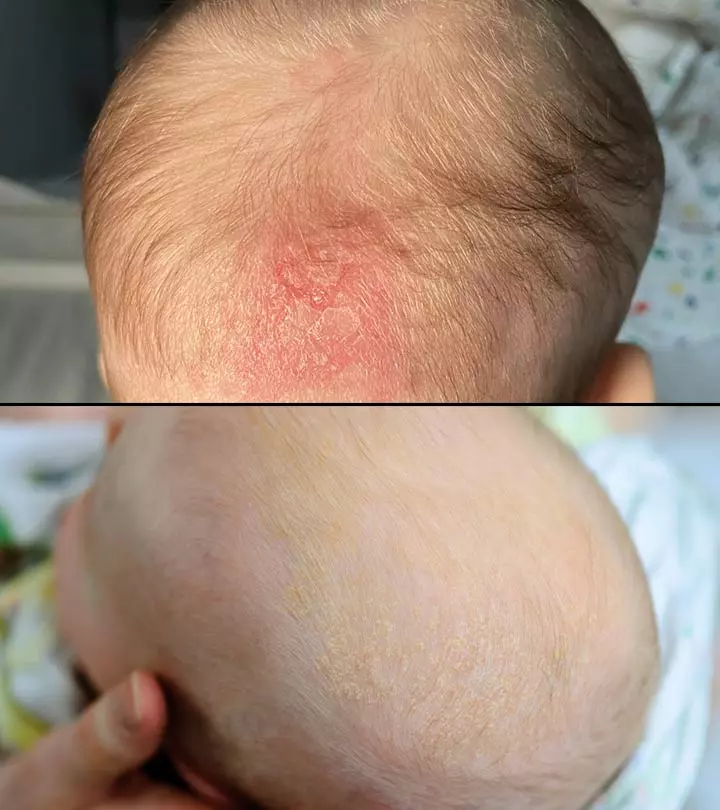
It typically appears on the scalp but can also affect other areas like the eyebrows, eyelids, ears, or diaper area.
What it Looks Like
Greasy, yellowish or white scales
Flaky or crusty patches
Mild redness around the area
Usually not itchy or uncomfortable for the baby.




Causes
The exact cause of cradle cap isn't fully known, but common theories include:
Maternal hormones: Hormones passed from the mother to the baby during pregnancy can stimulate the baby's oil (sebaceous) glands to produce too much oil (sebum). This excess oil can trap dead skin cells on the scalp, leading to the scales.
Yeast (Malassezia): A type of yeast that naturally lives on the skin, Malassezia, can multiply in the excess sebum, contributing to the condition.
Genetics: There may be a genetic predisposition, especially if there's a family history of skin conditions like eczema or psoriasis.
It's important to note that cradle cap is not caused by poor hygiene and is not contagious.
Treatment & Care
Cradle cap usually clears up on its own within a few weeks or months, typically by the baby's first birthday.
Step-by-Step Cradle Cap Care Routine


Apply Oil:
Gently apply a small amount of natural oil (like mineral oil, coconut oil, or olive oil) to the affected area. This swill Soften the Scales
Leave it on for about 15–20 minutes to soften the crusty scales.
Let It Sit: Leave the oil on for about 20–30 minutes to soften the scales.
Shampoo and Rinse
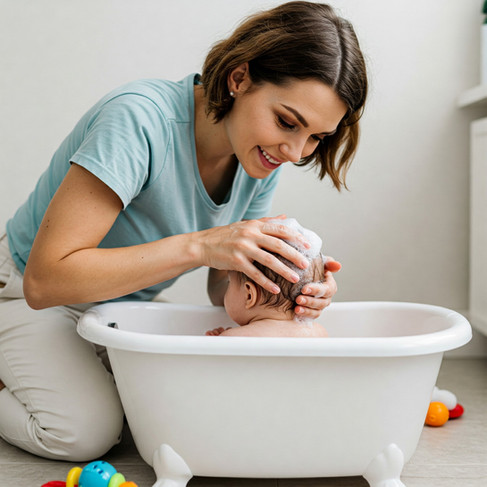
Wash off the oil and loosened scales with baby shampoo (preferably fragrance-free).
Rinse thoroughly to avoid residue buildup.
Wash the baby’s scalp gently 2-3 times a week to keep it clean without drying it out.
Gently Brush: Use a soft baby brush or a soft-bristled toothbrush to gently loosen the scales. Avoid scrubbing hard or picking at the scales with your fingers.
Wash Thoroughly: Wash your baby’s hair and scalp with a mild baby shampoo to remove the oil and loosened scales.
Dry the Scalp
Pat the scalp dry gently with a soft towel. Avoid rubbing.
Apply Moisturizer (if needed)
If the scalp feels dry or irritated after washing, apply a small amount of gentle, fragrance-free moisturizer or soothing lotion.
Use sparingly to avoid clogging pores or increasing oiliness.
You can use natural soothing options like aloe vera gel or oatmeal-based baby creams.
Repeat as Needed: You can repeat this process 2–3 times a week or as advised by your pediatrician.
Important considerations:
Be very gentle: Never scrub hard or pick at the scales with your fingers or nails, as this can cause irritation, can break the skin and lead to infection.
Consistency: Regular gentle brushing and washing can help manage cradle cap and prevent it from getting worse.
Don't leave oil in: It's crucial to wash out any oil you apply, as leaving it on the scalp can sometimes worsen cradle cap by trapping more dead skin cells.
When to See a Doctor
Redness or swelling spreads
Area looks infected (oozing, pus, or foul odor)
Baby seems bothered or itchy
Rash spreads beyond the scalp and doesn’t improve with home care