Dr. Manoj Zalte
MBBS, DCH, DNB (Pediatrics)
Pediatrician - Hadapsar, Pune
Member – Indian Academy of Pediatrics

Clinic Contact No: 8446176770
Sanmay Child Healthcare
Children's Medical Home
Timing:
Monday - Saturday
10.30 am to 03.00 pm. and 5.00pm to 9:00 pm.
Sunday Closed
Weaning (Complementary Feeding)
Dr. Manoj Zalte (Pediatricain)
MBBS, DCH, DNB (Pediatrics)
Member:
Indian Academy of Pediatrics
American Academy of Pediatrics
What is weaning or complementary feeding?
Basic Principals / Guidelines
Introducing a cup for feeding.
Breastfeeding How long?
First Six Months Exclusive Breast Feeding.
Breastfeeding should continue for as long as it suits mother and baby.
Many women continue breastfeeding upto their baby's first birthday.
Other moms breastfeed longer than a year (called extended breastfeeding).
It is a healthy option and it also supports a baby's immune system.
The World Health Organization (WHO) recommends breastfeeding for the first 2 years of a child's life.

What is weaning or complementary feeding?
Weaning is the process of Introducing your baby to solid foods, also referred to as complementary feeding at 6 month's of age.
When / at what time of day?
Choose a time that suits you both, Try when you both are relaxed and do not rush.
Start offering them food before their usual milk feed as they might not be interested if they're full, but do not wait until your baby is too hungry.
Why at 6 months?
Breast milk alone is not sufficient for baby's energy and nutrient needs.
6 month old baby is developmentally ready to handle solid foods, with improved head and neck control, better hand, eye and mouth coordination, and has the ability to sit up with minimal support.


Introducing wider range of tastes and textures of food will help baby to try and accept variety of foods in later part of life.
Ready at this age to feed themselves, move food around their mouth, chew and swallow.

Weaning at 6 months of age reduces the risk of allergies and intolerances.
Basic Principals / Guidelines
One at a time
Start one new food item at a time.
After 2 - 3 days add another new item.
This would allow you to observe for any allergies or intolerances.
Consistently exposing your child to a wide variety of healthy foods is key in expanding your baby’s palate.
Variety and Rotation of food groups and items in each food group.
Is the key in expanding your baby’s acceptance of variety of healthy and balanced food in future.
Focus on introducing lots of vegetables, fruits, proteins, and whole grains in the texture your baby can handle.
Don't worry about the order of the introduction.
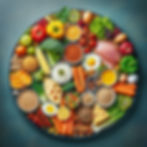
Food Groups
Fruits, vegetables, cereals, pulses, and meat along with water.
Vegetables:
Cook to soften them, then mash with a fork or blend veggies to a suitable texture for your baby or give them as finger foods.
Fruits:
Mash with a fork or blend soft ripe fruits to a suitable texture for your baby, or give them as finger foods. Harder fruits will need to be cooked to soften them
Starchy foods
Like Rice, Millet, Potato, these can be cooked, where necessary, and mashed with a fork or blended to a suitable texture for your baby or offered as finger foods.
Protien Food:
As well as giving your baby protein, these foods contain other useful nutrients, such as iron and zinc, which are important for babies


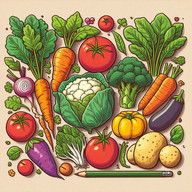


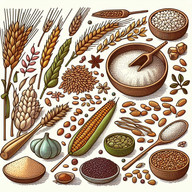
How much food?
Start with 2 to 3 spoons once a day at any time of day.
During the initial weaning period, the quantity of complementary food is not very important. At first these foods will not contribute many calories.
Initial goal is to introduce your baby to the new tastes and textures of solid foods.
The amount babies accept can vary depending on how many calories they are getting from breast milk. Breastmilk will continue to provide your little one with most of the nutrition they need for the first year of life, depending upon quantity of breast milk.
Many babies receive sufficient calories from breast milk, so initially these babies may accept less amount of complementary food.
Also babies tummies are tiny, so start by feeding them small amounts of food (just few teaspoons of food to start with and then increase gradually).
Gradually increase the quantity and frequency as per baby's acceptance. (Like first 1 to 2 weeks once a day, from third week 2 times a day, likewise can increase upto 3 to 4 times a day by 8 to 9 month of age).
Gradually replace one milk feed with a solid meal as your baby grows and becomes more accustomed to new food.
No added salt, No added sugar, No animal Milk till 1st Birthday Why?
Hunger and fullness cues:
Let your baby lead the way with food.
Remember to listen to your baby’s hunger and fullness cues throughout their feeding journey, rather than go by specific portions.
Your little may take more or less each day; by responding to their feeding cues you’ll be providing them with just what they need and not what you think and want.
Texture and Thickness of food
Advance texture once your baby is comfortable.
Start with thin, pureed foods, thickening them a bit as baby gets used to eating.
Then, move to lumpy, mashed foods;
Followed by finely chopped, soft foods.
Start with single-ingredient purees:
Begin with simple, easily digestible options like pureed fruits (apples, pears, bananas, avocados, papaya), vegetables (sweet potatoes, carrots, broccoli, tapioca, sweet pumpkins), and cereals (rice, oats).
Start weaning with vegetables that aren't so sweet, such as broccoli, cauliflower and spinach
Introduce iron-rich foods:
Babies need iron to support healthy growth and development, so offer iron-fortified cereals, pureed meats, poultry, or fish.
Gradually increase variety:
As your baby gets used to different flavours and textures, introduce a wider range of foods, including pulses, legumes, and dairy products (yogurt, cheese).
Offer finger foods:
By 8 months, many babies are ready for finger foods like soft cooked vegetables, banana slices, or small pieces of cheese.
Finger foods help get your baby used to different textures..
Babies love picking bits of food up and feeding themselves.
It's also good for developing their hand-eye co-ordination.

Continue breastfeeding feeding:
Breast milk should remain the primary source of nutrition, with complementary foods supplementing the diet.
Offer fluids:
Once babies start eating solid foods, they can also be offered sips of water from a cup or beaker with meals.
Following schedule is For illustration purposes only
Day 1 to 3 Morning:- Rice (Puree) Day 4 and 6 Morning:- Rice + Dal (Puree)





Day 7 and 9 Morning:- Rice + Dal + Spinach (Palak) (Puree)

Day 10 and 12 - Afternoon: steamed apple + (continue Morning
Rice + Dal + Spinach (Palak) (Puree)


Day 13 and 15 - Afternoon: Smashed Papaya (continue Morning Rice + Dal + Spinach (Palak) (Puree)


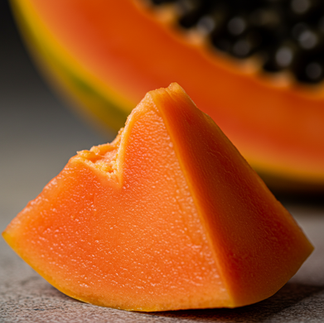


Like this you can keep on adding items remembering basic principals
Start only one new food item at a time, don't add 2 or more new items at a time
Appropriate proportion of food items in each category is important.
Rotation and Variety is more important (anything in excess is bad)
Introducing a cup for feeding.
can be a gradual process, often starting with simple practice. While it may take time for a baby to learn how to drink from a cup, offering them an open cup with breast milk, formula, or water at mealtime can help them develop necessary skills and make the transition from bottle or breastfeeding easier.
Here's a step-by-step approach:
Introduce the Cup:
Start by giving your baby a small, easy-to-grip cup, even if it's empty, to get them used to the sensation of holding it.
Model for Them:
Show your baby how you drink from your own cup, encourage them to copy you. It's a good idea to bring a cup to the table with their meal, and let them experiment with holding it.
Gradual Introduction:
Begin with small amounts of liquid, like breast milk, or water, in the cup. You need to help them hold it initially, as they learn to balance and sip.
Practice Makes Perfect:
Don't expect your baby to become a cup-drinking expert overnight. It's perfectly normal for them to spill or make a mess at first. Be patient and supportive as they learn.
Replace Bottle/Breastfeeds:
Once your baby is comfortable with the cup, you can gradually replace bottle or breastfeeding feeds with cup feedings. For example, if your baby is fed the bottle twice a day, you can replace one feed with a cup feeding.
Consider a Sip Cup:
Some parents choose to start with a sippy cup, which has a spout or valve, to make the transition easier. However, some experts recommend skipping the sippy cup and going straight to an open cup to help develop natural drinking habits.
Safety First:
Ensure the cup is made from a safe material and is easy for your baby to handle. Avoid cups with spouts or valves, as these can hinder the development of natural drinking skills and potentially lead to tooth decay.
Consult a Professional:
If you have any questions or concerns about introducing a cup, don't hesitate to consult your pediatrician or a lactation consultant for personalized guidance.




These are just guideline. Parents should consult their Pediatricians and plan their own ways convenient and suitable for their family, based on these guidelines.
What to avoid?
Preferably: No added salt, No added sugar, No animal Milk till 1st Birthday Why?


Original tastes, textures and smells
Children are exposed to unaltered tastes, textures and smells of different types of food . That way they can develop healthy eating habits and their acceptance and liking of healthy food later in life.
No Added Salt (Sodium):
Kidney Strain:
Babies' kidneys are not yet fully developed and can be strained by high salt intake, may lead to kidney problems later in life.
Taste Preferences:
Introducing salt early can lead to a preference for salty foods, which may negatively impact their diet later. Let children not have a clear preference for saltiness during their growth, and learn to taste, distinguish and recognize food, It allows young children to experience the natural flavors of food.
No Added Sugar:
Calories with littel nutritious value.
Added sugars provide calories without essential nutrients and consumption of less nutritious foods.
Long-Term Health.
Diets high in added sugars can increase the risk of childhood obesity, tooth decay, and other health problems.
Preference Development.
Early exposure to added sugar can lead to a preference for sweet foods, which can contribute to unhealthy eating habits later in life
No Animal Milk (Other Than Breast Milk or Formula):
Kidney Strain.
Cow's milk contains high concentrations of protein and minerals that can strain a baby's immature kidneys.
Nutrient Deficiencies.
Cow's milk lacks the specific nutrients that human babies need, such as iron and vitamin C, that are found in breast milk.
Allergies and intolerance.
Cow's milk is a common allergen, and introducing it too early can increase the risk of developing a dairy allergy and intolerance.
Iron Absorption.
Cow's milk can interfere with the absorption of iron, which is crucial for a baby's development.
Avoid
Avoid foods in a form that may cause choking, such as whole grapes or raw carrots.
Avoid giving drinks with low nutrient value, such as tea, coffee and sugary soft drinks.
Limit the amount of juice offered, to avoid displacing more nutrient-rich foods.
Creating Healthy lifestyle along with healthy food habits will help overall development of all family members including your little ones.